What Can Companies Learn from Palantir’s Maven System About Data Consolidation and Faster Decisions with AI?
TMI Soft team, AI FDE Engineer6 min read
Quick summary
The biggest lesson from Palantir’s Maven system is not in the AI model, but in gathering data from many scattered sources into one place so decision-makers see the same picture. According to the Pentagon, Maven replaced 8–9 separate systems with a single screen, so decisions are made faster with fewer people. Companies can apply the same principle: consolidate data first, let AI recommend, and keep people in the approval loop for high-risk decisions. The faster things move, the more data quality and the review step matter.
Key takeaways
- Maven’s value comes from merging 8–9 scattered systems into one shared screen, not only from the AI model
- Most of the decision time is lost moving data by hand between systems and departments
- Companies should measure “time from data to decision”, not only AI accuracy
- The faster the decision, the faster a data error spreads: you need current data, real reviewers and a record
- Start from one important decision, not from a large company-wide data project
In 2026, the Maven Smart System built by Palantir became one of the most frequently cited examples of AI in practice. The Pentagon said the system has been used in the US military campaign in Iran, where decisions had to be made in minutes rather than days.
This article is not about war or politics. We only look at how the system is organized, because that is exactly the question many business leaders face: why does a company with so much data, which has already bought AI tools, still take days for every important decision?
What is Maven and what did it change?
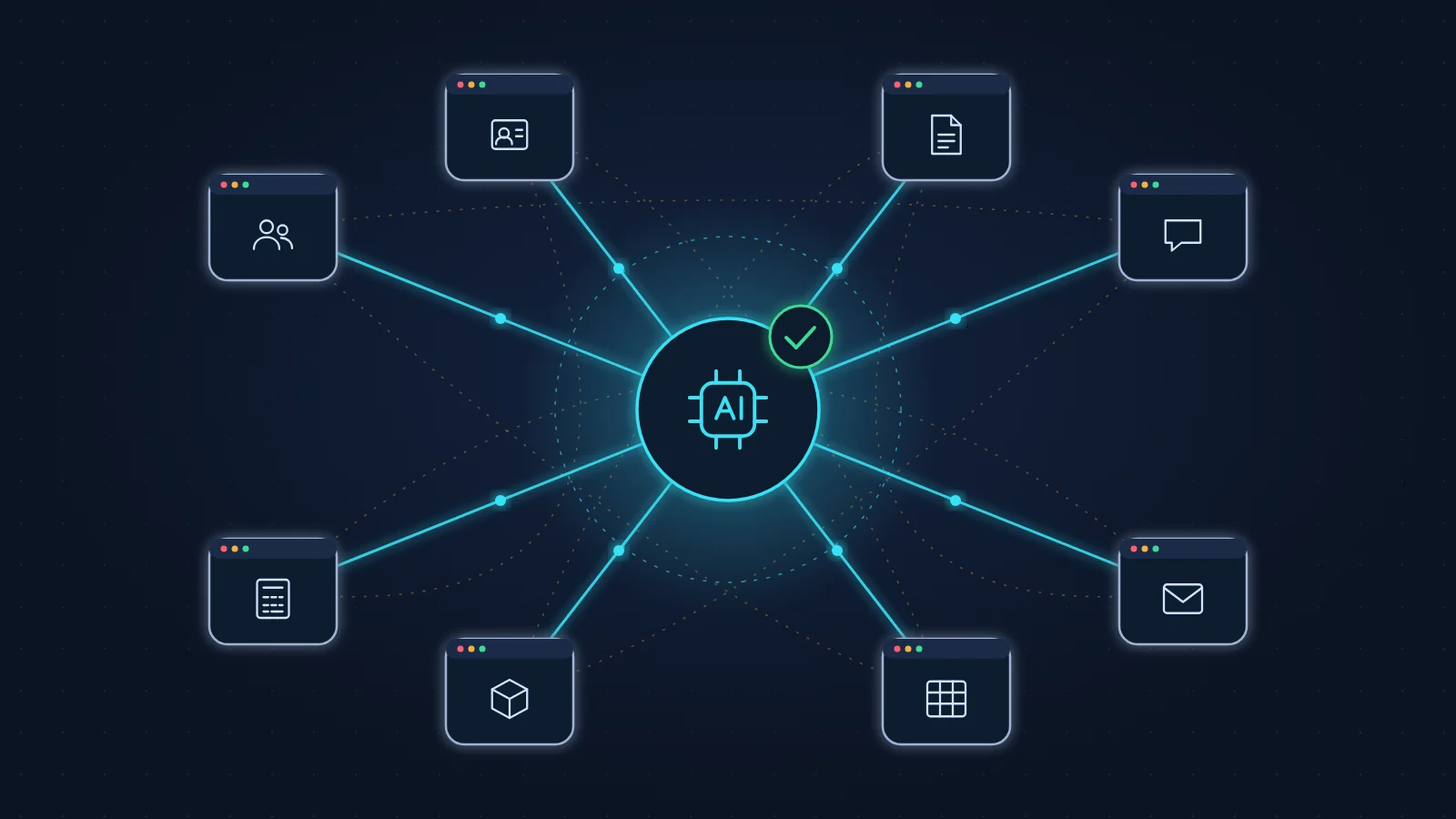
Maven is a platform that pulls data from many different sources such as satellites, drones, radar and intelligence reports, and puts it all on one shared map. The AI in the system helps detect, classify and prioritize; people review and make the decisions.
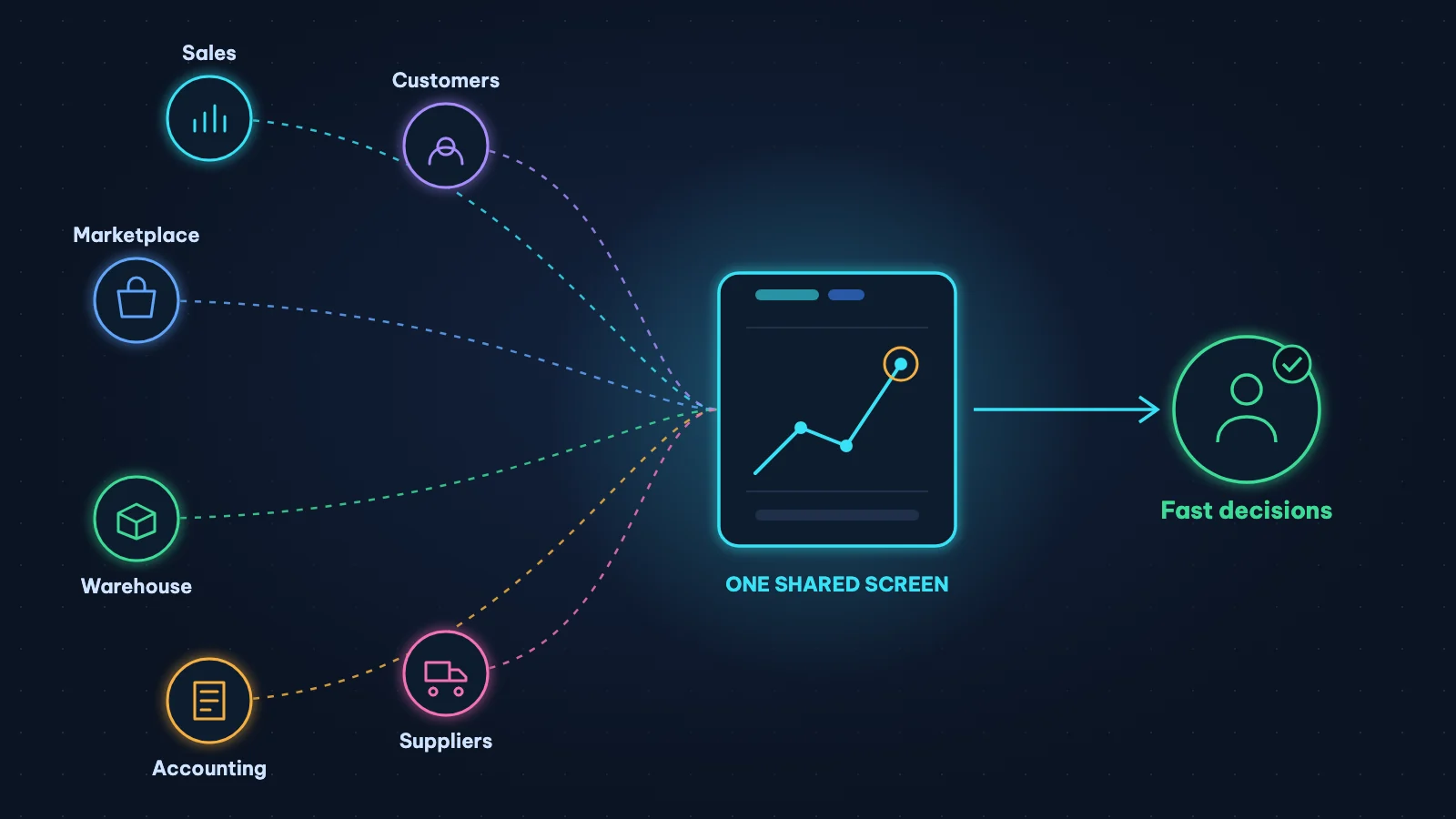
At Palantir’s AIPCON conference in March 2026, Cameron Stanley, the Pentagon’s Chief Digital and AI Officer, described the old way like this: the process had to go through 8 or 9 separate systems, and “people had to manually move the findings back and forth” between those systems. Maven combines everything into a single display tool. A Palantir architect added that work that once needed about 2,000 intelligence officers now needs only about 20. This is Palantir’s own statement and has not been independently verified.
In May 2026, Stanley said Maven had helped process 13,000 targets in 38 days. Use of the system surged during this period, to the point that he called it the military’s “insatiable appetite” for AI.
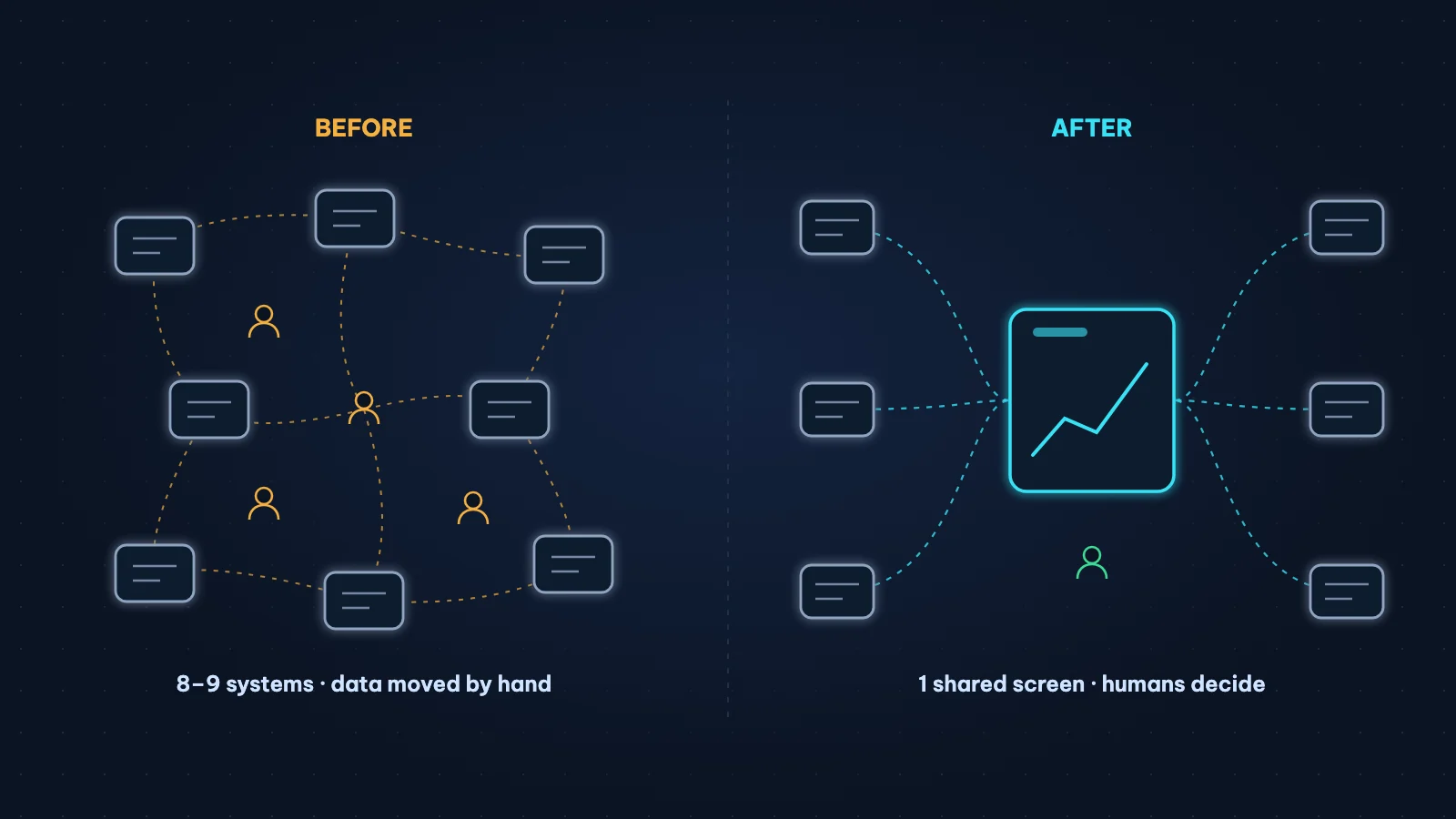
What is notable: the biggest change here is not the AI model. Image recognition algorithms have existed for years. What changed is that data from many sources was put in one place, with one shared understanding, so decision-makers do not have to gather it piece by piece.
Companies are also “moving data by hand” between 8–9 systems
This story is more familiar than we think. Look at a very ordinary decision at a distribution company: should we order more of item X this week?
- Sales figures sit in the sales software and on e-commerce marketplaces.
- Inventory sits in the warehouse software, or in the warehouse keeper’s Excel file.
- Receivables and cash flow sit in the accounting software.
- Customer feedback sits in the salesperson’s Zalo.
- Purchase prices and delivery times sit in email with suppliers.
To answer that question, someone has to export data from each place, paste it into one file, send it to the department head, wait for comments, and only then submit it upward. One decision can take 3–5 days, and by the time it is made, the data is already stale. This is exactly the scene of “people moving findings back and forth between 8–9 systems”, just in a different setting.
If a company only attaches an AI chatbot to this process, employees will write reports a little faster, but the time to decide barely changes. The bottleneck is in the fragmented data, not in the speed of writing.
Lesson 1: Consolidate data first, AI second
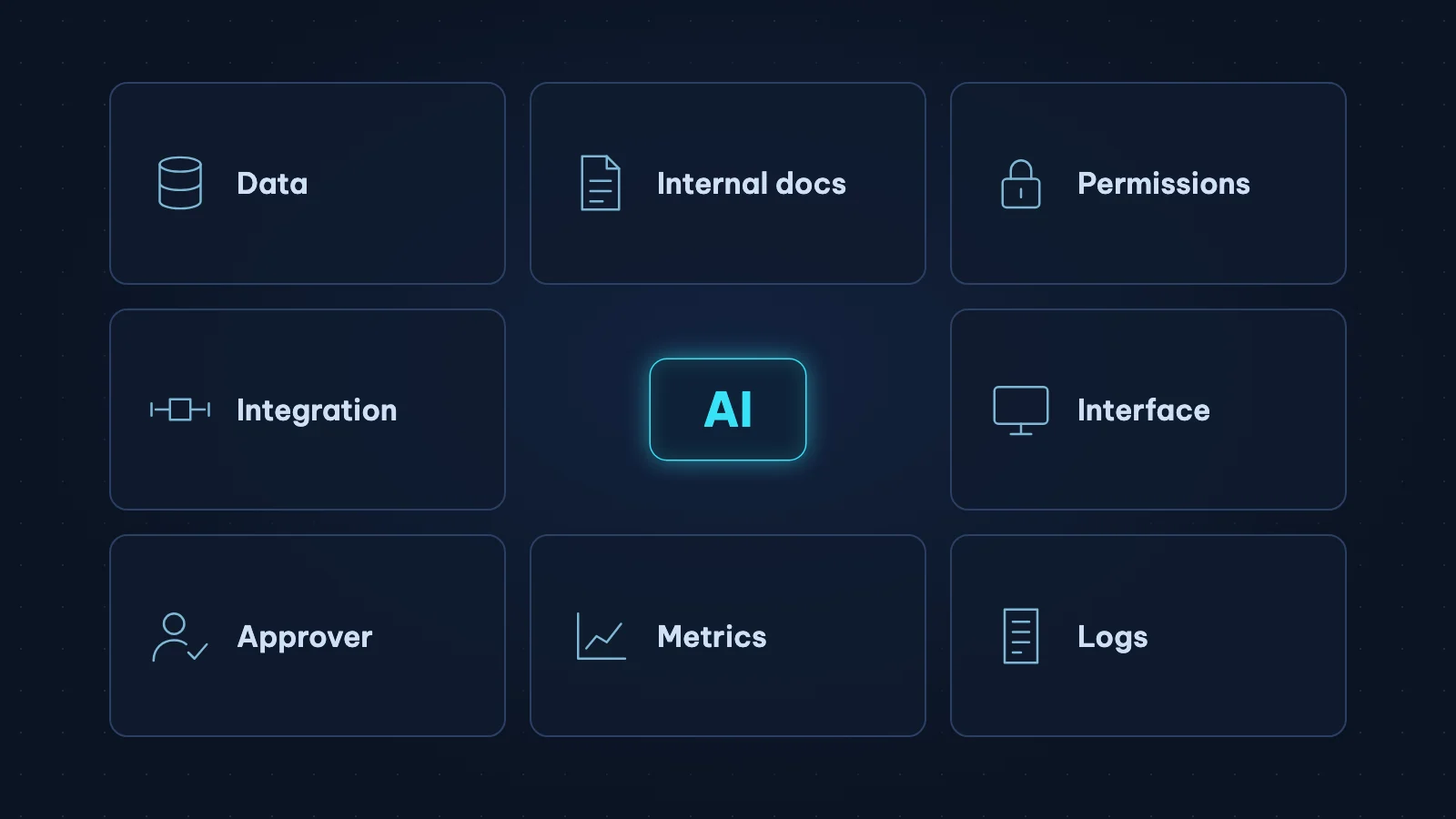
A decision support system usually has four layers. AI is only the third.
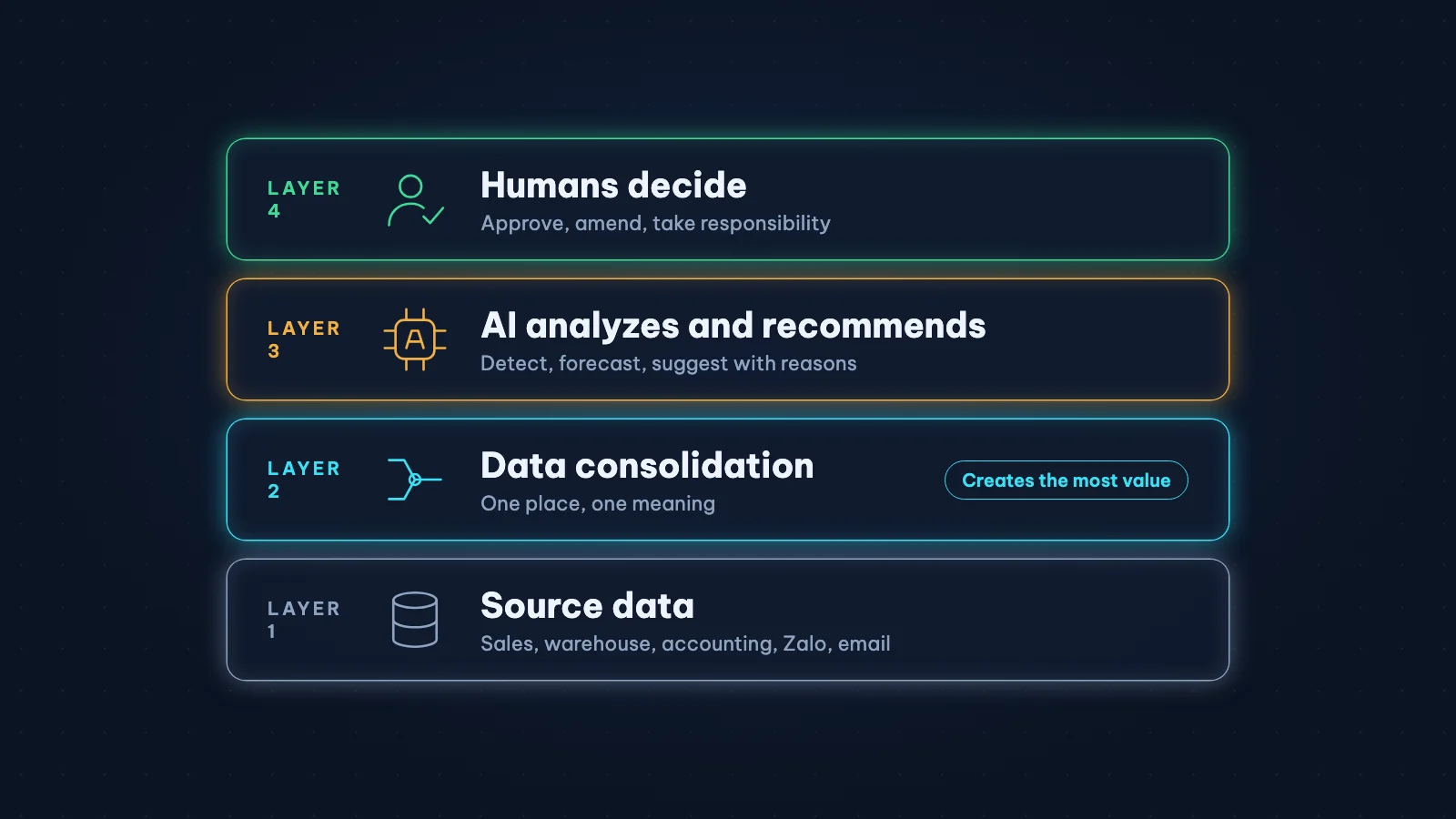
- Source data: the software and files the company already uses. There is no need to replace them all; you only need to be able to get the data out.
- Consolidation: gather data in one place and unify the understanding of it. For example, “customer A” in the sales software and in the accounting software must be the same customer. This is the most laborious part and also the one that creates the most value.
- AI analysis and recommendations: detecting anomalies, forecasting, suggesting options and explaining the reasons.
- Humans decide: the responsible person reviews the recommendation, agrees or corrects it.
Many AI projects fail because they jump straight to layer 3 when layer 2 does not exist yet. The AI then sees only part of the data and makes recommendations without grounds, users lose trust, and the project stops at a demo.
Lesson 2: Measure “time from data to decision”
The Pentagon does not praise Maven for what percentage of the time the AI model is accurate. They talk about shortening the time from detection to action, and about the number of people needed in the process.
Companies should choose the same kind of yardstick. Instead of asking “what percentage does the AI answer correctly?”, ask:
- From the moment data exists to the moment a decision is made on ordering, approving prices or handling a complaint, how long does it take?
- How many times does data have to change hands between people and systems?
- What percentage of employees’ time goes to gathering and reconciling figures?
If these numbers do not fall after AI is introduced, the project has not created real value.
Lesson 3: Faster means tighter
The Maven story also has a dark side. On 28 February 2026, a girls’ primary school in Minab, southern Iran, was struck in an attack, and more than 170 people were killed, most of them children. According to the Arms Control Association, a preliminary assessment by US Central Command suggested the site had been placed on an AI-generated target list without sufficient human oversight, and that US maps had not been updated to reflect that the building had become a school. Meanwhile, officials quoted by the New York Times called it “human error in wartime”. The true role of AI in the incident remains unclear.
Whatever the final conclusion, the lesson for companies is clear: when decisions are made many times faster, an error in the input data also spreads many times faster. A Chatham House expert warned that people may rely too much on the system, so that the approval step becomes a formality.
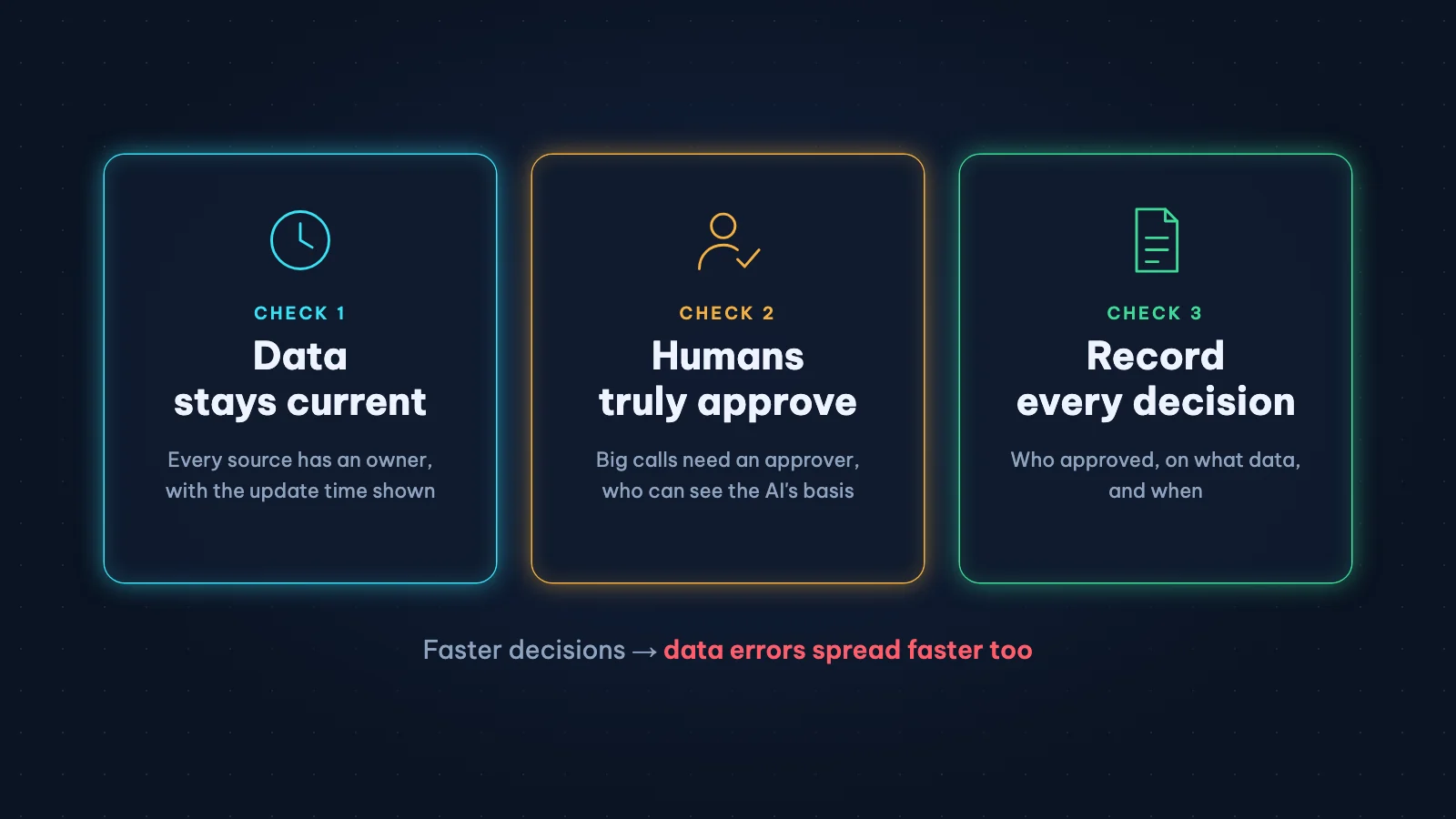
In a company the consequences are not on the scale of a battlefield, but they can still be very large: shipping goods to a customer with overdue debt because receivables data was not updated, issuing wrong quotes on hundreds of orders, or wrongly turning down a major customer. Three control points to have from the start:
- Data always current: each data source has an owner, and the screen shows clearly when the data was last updated.
- Real human review: tier decisions by risk. Small matters can be left to AI, large matters require a reviewer, and the reviewer must be able to see which data the AI based its recommendation on.
- A record of every decision: who approved, based on which data, at what time. When an error occurs, the company finds the cause in minutes instead of weeks.
Where should a company start?
You do not need to, and should not, start with a project to “consolidate all company data”. Such projects often run for a whole year without creating any value. A more practical way:
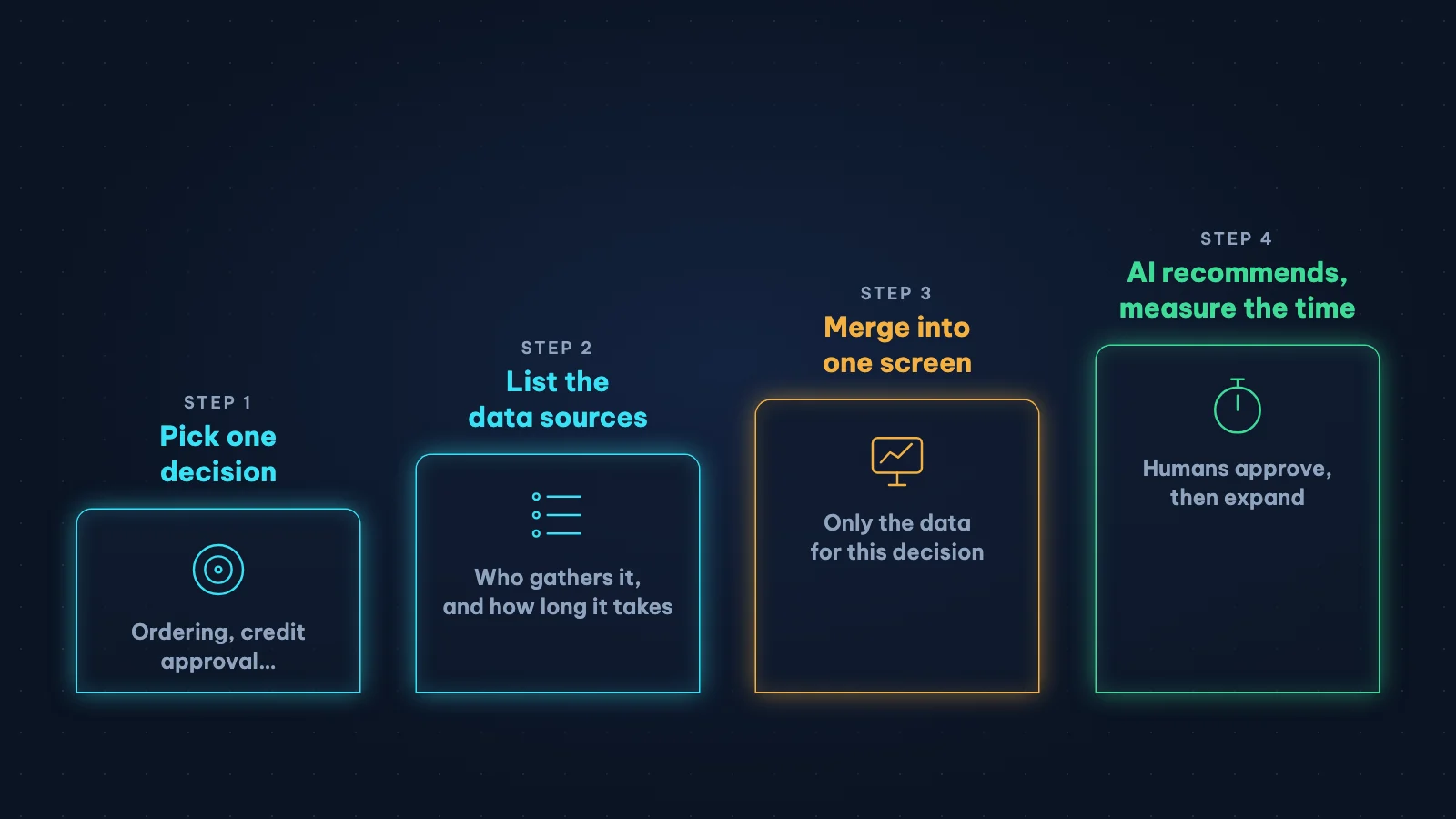
- Choose one important decision that currently takes the most time, for example ordering stock, approving credit for a customer or allocating staff.
- List the data sources that decision needs, and record who currently gathers them and how long it takes.
- Bring those sources onto one screen for the decision-maker, only the data needed for this decision.
- Let AI recommend, let people approve, and measure the time before and after. Once effectiveness is proven, extend to the next decision, reusing the data already consolidated.
Notably, Palantir itself works this way. They do not sell packaged software and leave; they send FDEs (Forward Deployed Engineers) to sit with users, understand each decision, connect each data source and stay until the system runs in real operations. Consolidating data is always tied to each organization’s specific processes, so it is hard to do remotely. If you want to learn more about changing processes when AI is available, you can read why redesign workflows when applying AI or what software a company needs beyond AI.
References
- The Register, Pentagon AI chief praises Palantir tech for speeding battlefield strikes (13/03/2026).
- Breaking Defense, ‘Insatiable appetite’ for AI: Maven usage surged for strikes on Iran, Pentagon AI chief says (12/05/2026).
- Arms Control Association, AI Plays Major Role in the War on Iran (05/2026).
- Breaking Defense, Army consolidates dozens of Palantir software contracts into one deal worth up to billion (01/08/2025).
If your company also spends many days gathering figures for an important decision, a short conversation with a TMI AI FDE engineer can help identify which decision to start with and which data to consolidate first.
Frequently asked questions
What is Palantir’s Maven Smart System?
The Maven Smart System is a platform built by Palantir for the US military. It gathers data from many sources such as satellites, drones, radar and intelligence reports onto one shared map, uses AI to detect and prioritize, while people review and decide. According to the Pentagon, Maven replaced 8–9 separate systems with a single screen.
What can companies learn from Maven when applying AI?
The main lesson is data consolidation first, AI second. Most of the decision time is lost gathering and moving data by hand between software and departments. Only when the data needed for a decision sits on one shared screen can AI make grounded recommendations and decisions truly get faster.
Do we need to replace all existing software to consolidate data?
No. A company can keep the sales, warehouse and accounting software it already uses; it only needs to pull the data out and gather it in one place with a unified understanding. Start with the data serving one specific decision, not with a project to consolidate the entire company.
How can we make decisions faster with AI and still stay safe?
You need three control points: data that is always current and has an owner, real human review of high-risk decisions with visibility into the AI’s basis, and a record of every decision so the cause can be traced when something goes wrong. The faster the decision, the faster a data error spreads.
Which metrics should we use to measure an AI decision-making project?
Measure the time from when data exists to when a decision is made, the number of times data changes hands, and the time employees spend gathering figures. AI accuracy matters, but if these numbers do not fall, the project has not created real value.