Why do AI pilots fail to reach production? Deloitte 2026: only 25% of companies have moved most of their pilots into operations
TMI Soft team, AI FDE Engineer6 min read

Quick summary
AI pilots fail to reach production mainly because a PoC runs in an isolated environment on cleaned-up data, while real operations require infrastructure, integration with existing systems, security, monitoring and a long-term owner. According to Deloitte’s The State of AI in the Enterprise (a survey of 3,235 leaders in 24 countries), only 25% of companies have moved more than 40% of their AI pilots into production. A use case planned for 3 months can stretch to 18 because of integration. The way out is to design the PoC as the first step of operations: real data, real users, a clear KPI and a scaling plan from day one.
Key takeaways
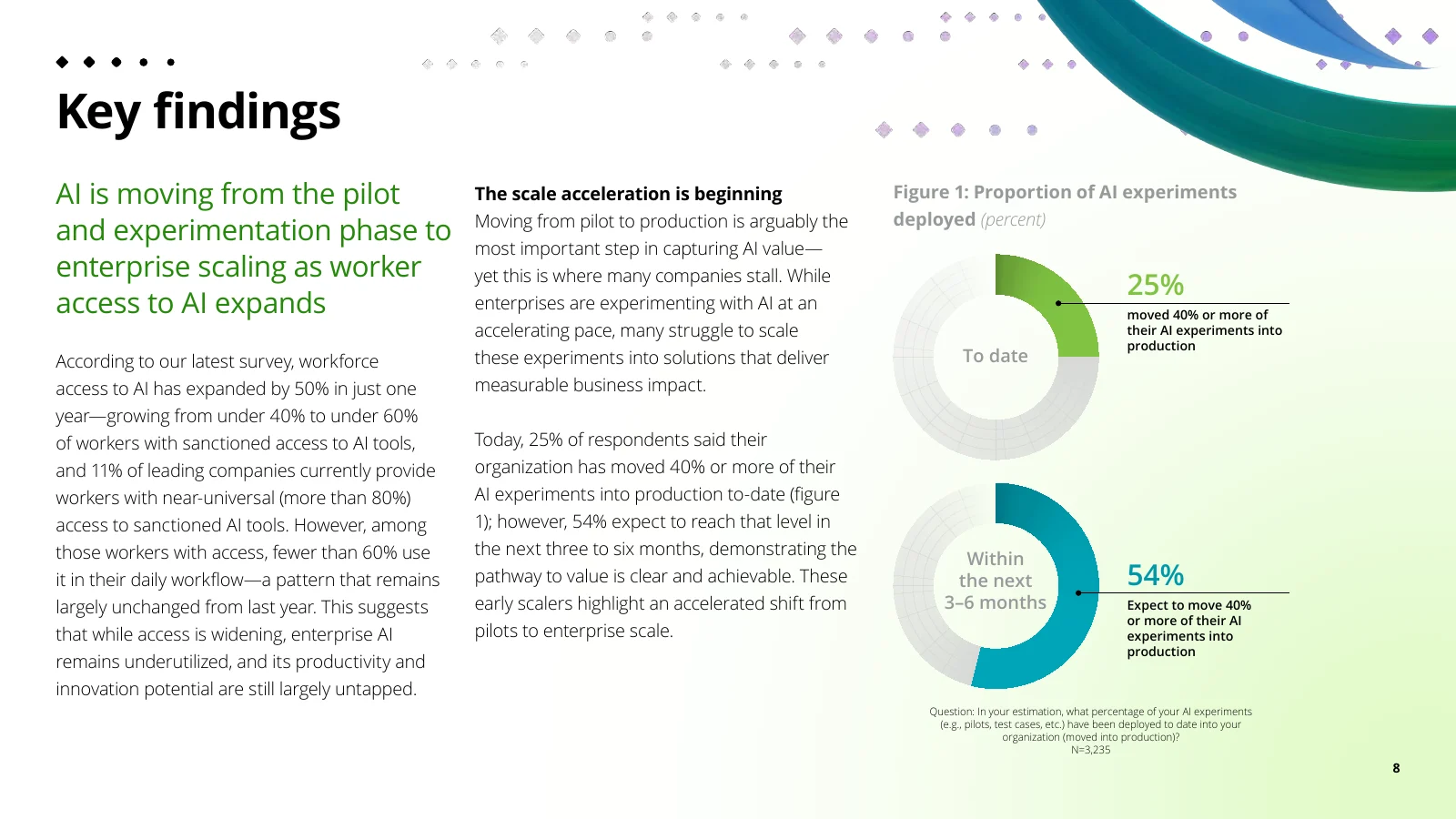
- Only 25% of companies have moved more than 40% of AI pilots into production; 54% expect to within 3–6 months (Deloitte, 2026)
- PoCs stall in production for lack of infrastructure, integration, security and monitoring; a 3-month use case can stretch to 18 months
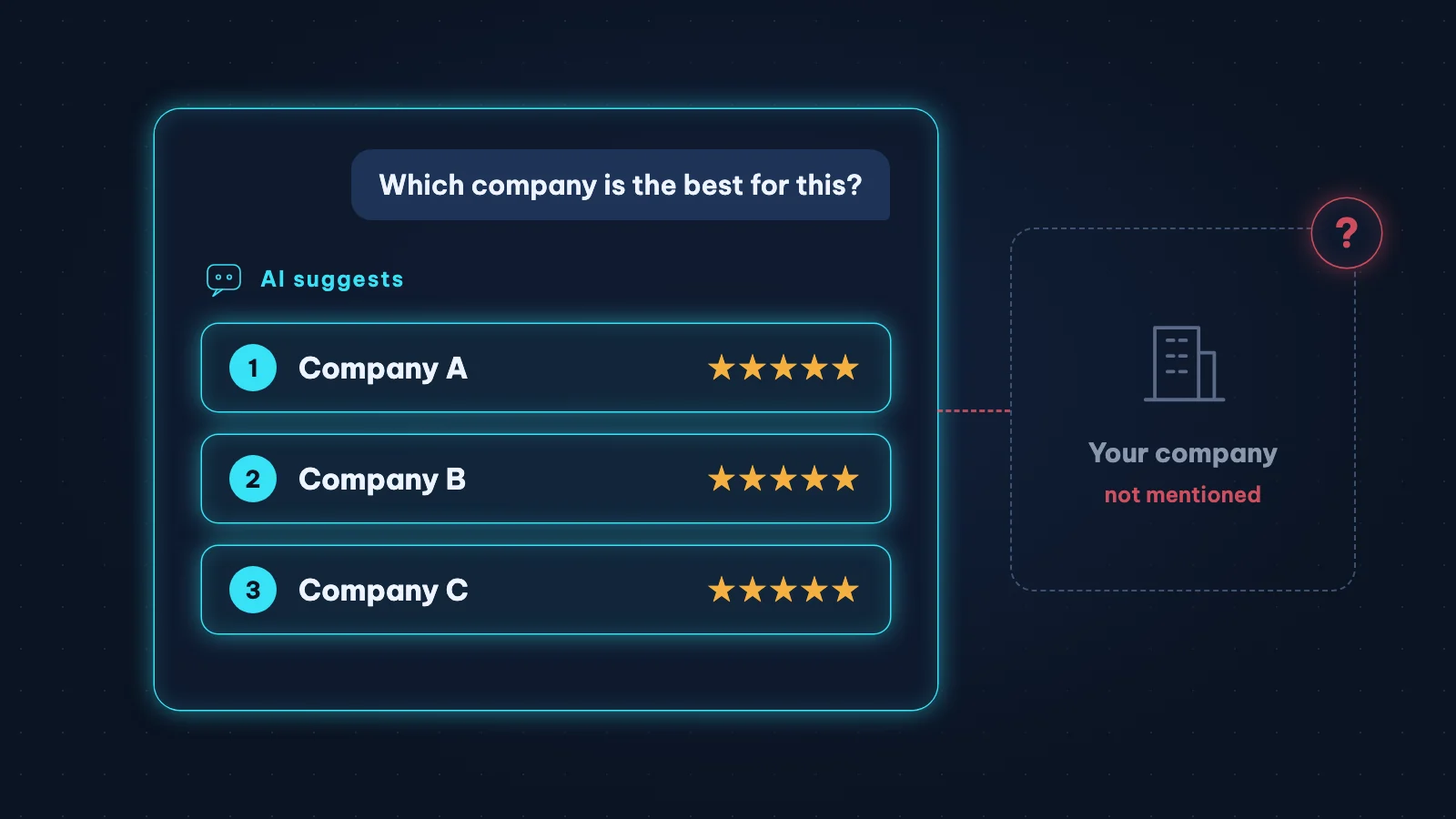
- “Pilot fatigue”: companies keep starting new PoCs because it is cheaper and less risky than scaling a successful one
- 66% see productivity gains from AI but only 20% have grown revenue; 84% have not redesigned work around AI
- 74% plan to use AI agents within 2 years, but only 21% have a mature governance model for them
On 30 April 2026, Deloitte Tohmatsu in Japan announced that it will set up an FDE (Forward Deployed Engineer, an engineer who works on-site to put solutions into operation) management office in June 2026. Its reason was blunt: enterprise AI is moving beyond “one-off PoCs (proofs of concept)” into a phase where it has to be built into business processes, connected to systems and deliver results continuously. The announcement cites figures from the Global Deloitte AI Institute report The State of AI in the Enterprise.
This article summarises what that report says about a question many leadership teams face: why do AI pilots fail to reach production, and what does a business need to do to put AI into real operations?
What does Deloitte’s 2026 report say about moving AI into production?
Only 25% of companies have moved more than 40% of their AI pilots into production. 54% expect to reach that level within the next 3–6 months. The figures come from a survey of 3,235 director- and executive-level leaders across 24 countries and 6 industries, carried out in August–September 2025 (published January 2026).
Meanwhile, AI has spread widely to employees: the share of workers with access to company-approved AI tools rose from under 40% to around 60% in just one year. But fewer than 60% of those with access use it in their daily work. In other words, companies are not short of tools or pilots; the blockage is the step from pilot to production.
Source: Global Deloitte AI Institute, The State of AI in the Enterprise (January 2026)
https://www.deloitte.com/content/dam/assets-shared/docs/about/2025/state-of-ai-2026-global.pdf
Why do AI pilots fail to reach production?
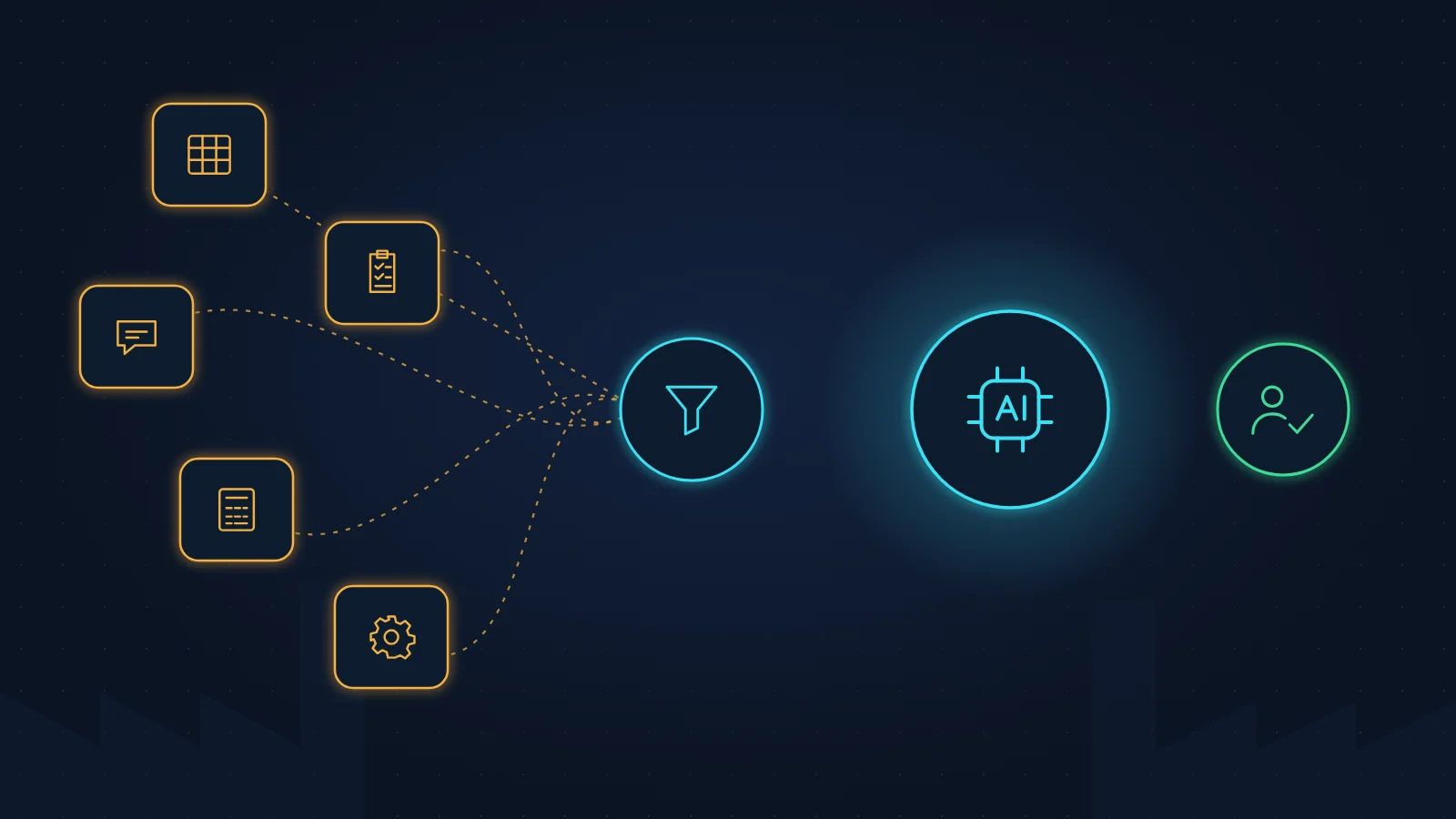
Because a PoC and real operations are two different problems. Deloitte describes PoCs as usually run in an isolated environment, on cleaned-up data, by a small team over a few months. Production needs things a PoC never had to deal with:
- Infrastructure: servers, monthly running costs, speed when many people use it at once.
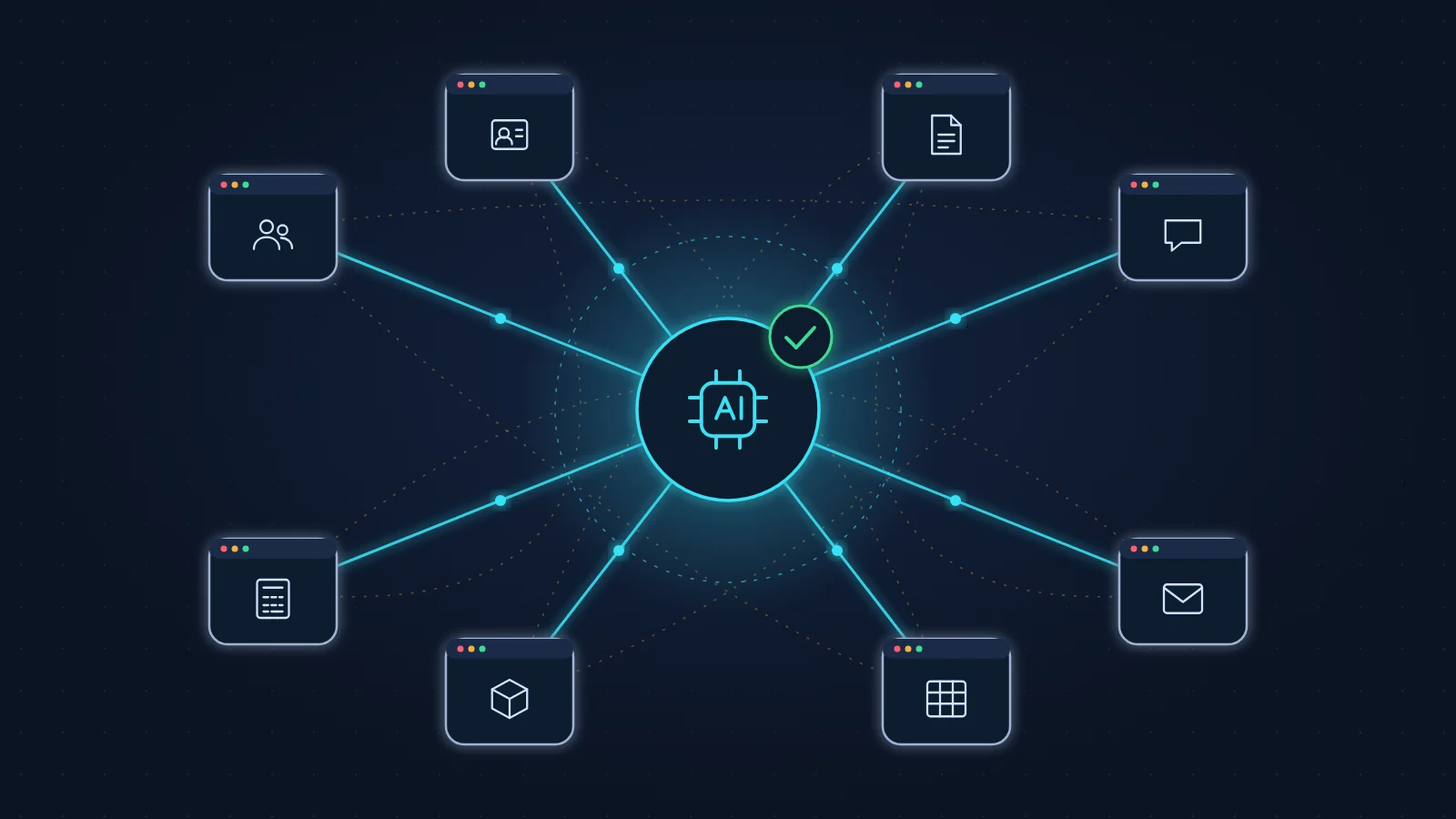
- Integration with existing systems: accounting, sales, inventory, email, where the real data lives.
- Security and compliance: who may see which data, and which data must not leave the company.
- Monitoring and maintenance: tracking where the AI gets things wrong, who fixes it and how fast.
Production also exposes what a PoC hides. A model that scored well in testing may fail on edge cases at scale. The report gives the example of a use case estimated at 3 months that stretched to 18 months because of integration complexity. And a failure that counts as a lesson in a PoC becomes a business risk in production.
Source: Global Deloitte AI Institute, The State of AI in the Enterprise (January 2026)
https://www.deloitte.com/content/dam/assets-shared/docs/about/2025/state-of-ai-2026-global.pdf
What is “pilot fatigue”, and why don’t more PoCs fix it?
“Pilot fatigue” is the cycle in which a company keeps starting new PoCs instead of scaling the ones that already worked. According to Deloitte, when the value of AI is still unclear, a new PoC is cheaper and less risky than the hard work of rolling a successful one out across the company. So the budget keeps flowing into new experiments.
A healthcare AI leader quoted in the report says that when they asked teams with successful PoCs how they would scale, there was often no answer: “Without a clear roadmap, executing a hundred pilots just leads to poor results and failed value creation.”
Signs that a company is in this cycle: plenty of AI demos but none with an owner responsible for running it, no before-and-after metrics, and nobody who can answer “if it works, what do we do next month?”
Is getting AI into production enough?
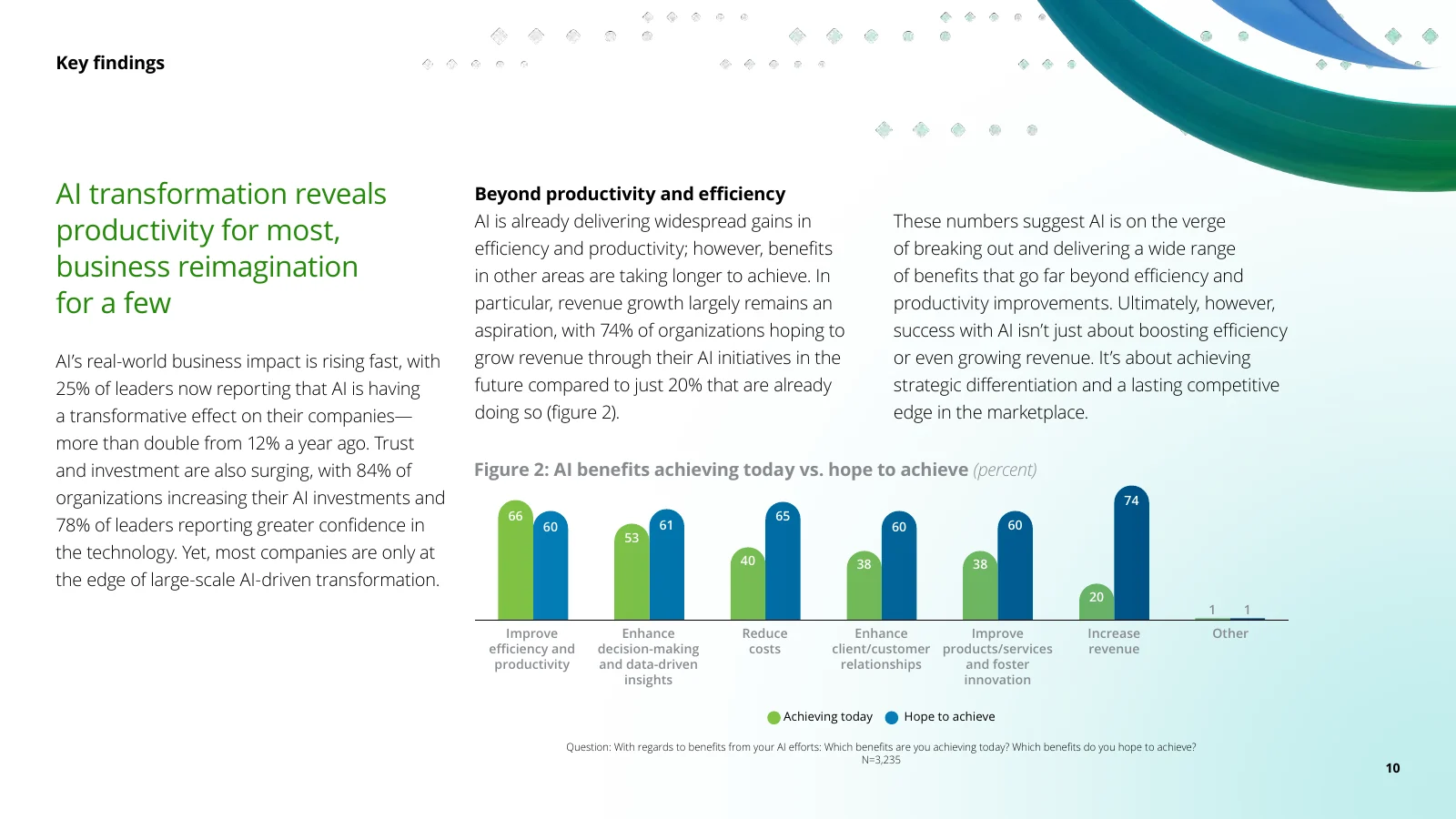
No. Most companies are seeing productivity gains, but not yet revenue. 66% say AI is improving efficiency and productivity, but only 20% have grown revenue through AI, while 74% want to.
Source: Global Deloitte AI Institute, The State of AI in the Enterprise (January 2026)
https://www.deloitte.com/content/dam/assets-shared/docs/about/2025/state-of-ai-2026-global.pdf
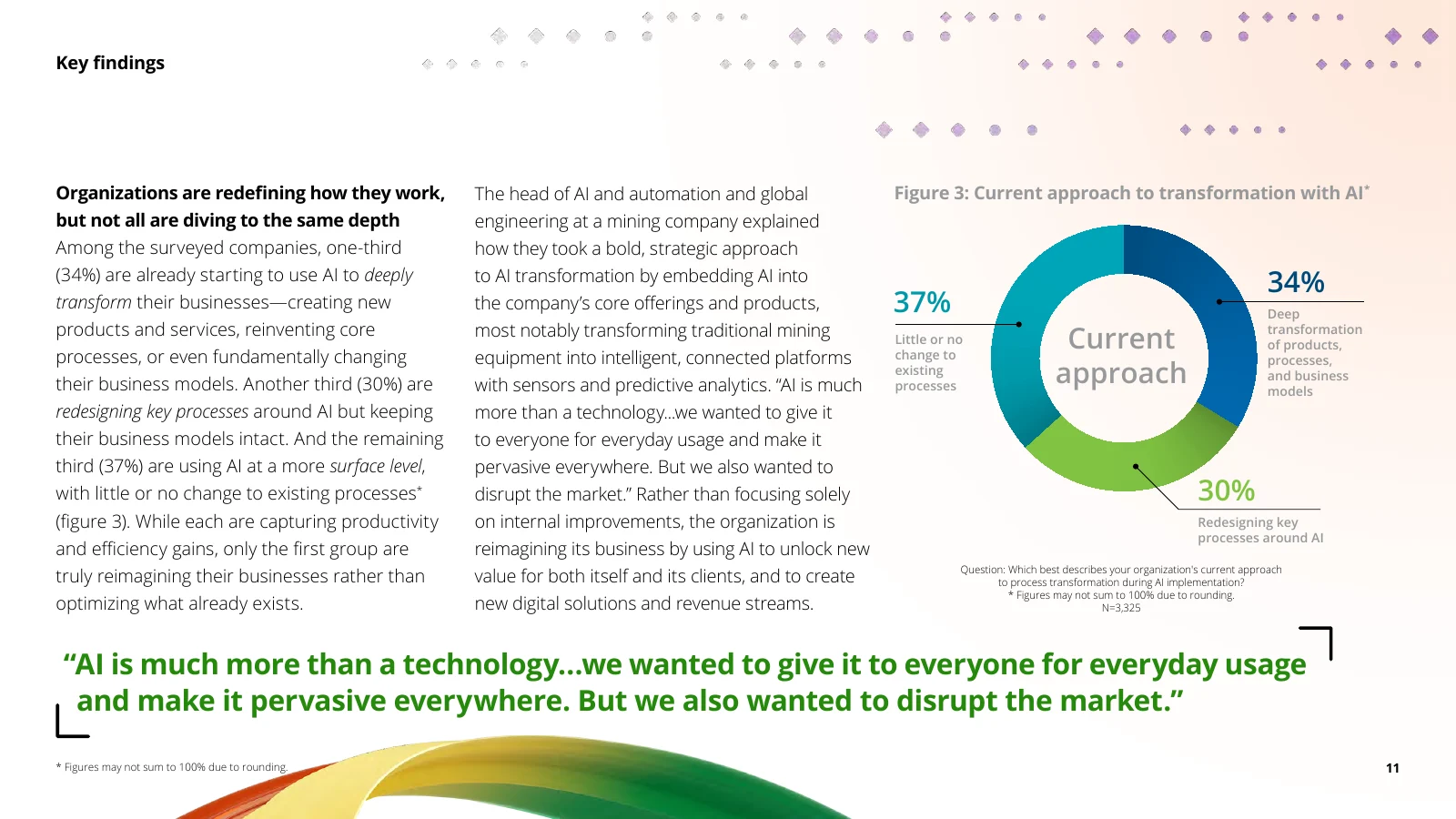
The difference lies in how AI is used. The report splits companies into three groups of roughly equal size: 34% use AI to fundamentally change products, processes or the business model; 30% redesign key processes around AI; and 37% use AI at a surface level with little or no change to processes. All three groups gain productivity, but only the first is truly changing how the business works. On top of that, 84% of companies have not redesigned jobs and roles around what AI can do.
Source: Global Deloitte AI Institute, The State of AI in the Enterprise (January 2026)
https://www.deloitte.com/content/dam/assets-shared/docs/about/2025/state-of-ai-2026-global.pdf
This is also why a PoC that “works” can still create no value: if AI is only bolted onto one step of an old process, the result is usually just a little faster. We wrote about this in why even processes that have run for years need to be redesigned.
How do AI agents widen this gap?
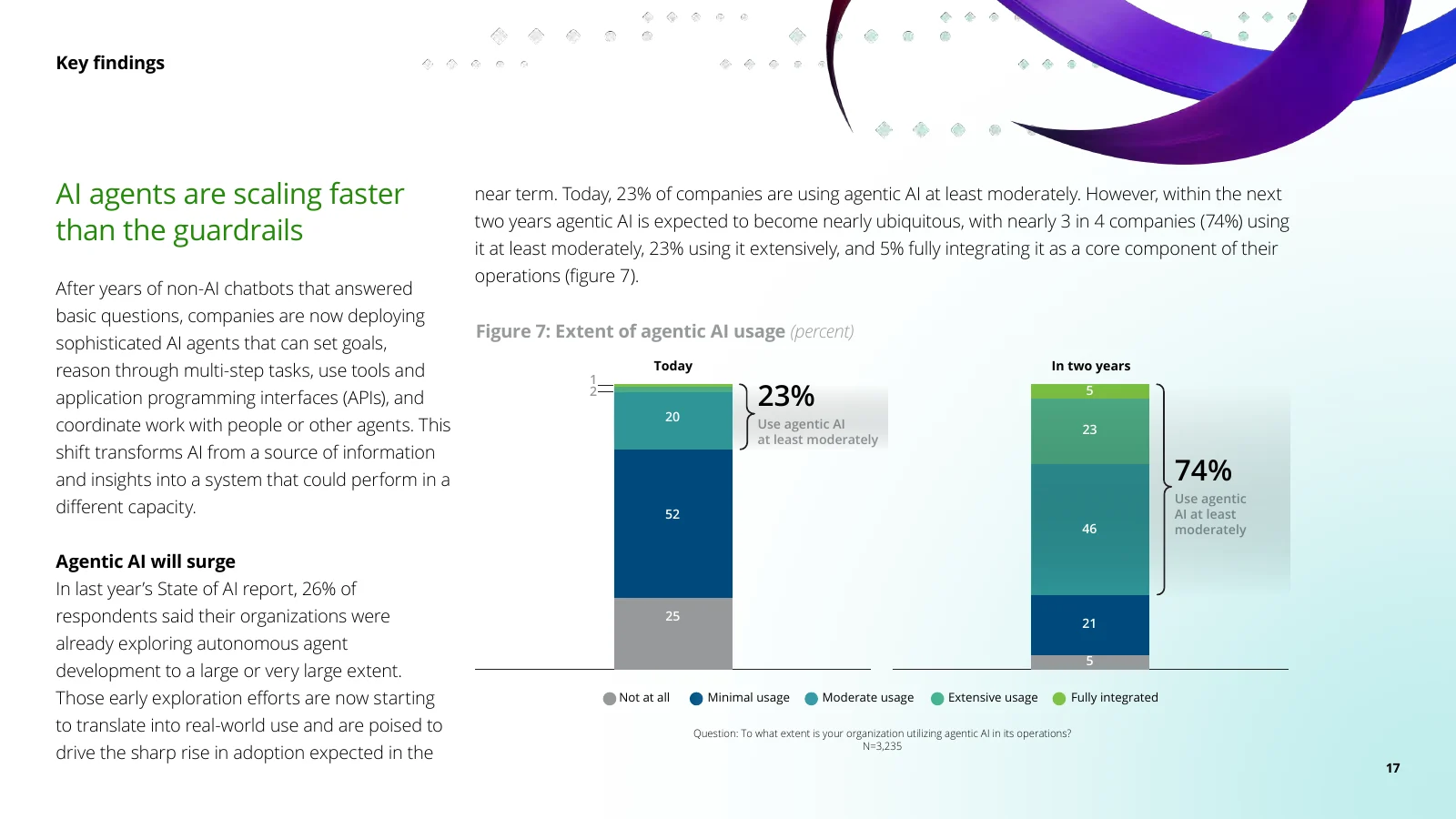
AI agents (AI that plans and carries out multiple steps, calling tools and other systems) are being rolled out faster than companies can govern them. 23% of companies use AI agents to some extent today; within 2 years that is expected to reach 74%. Yet only 21% say their governance model for autonomous agents is mature.
Source: Global Deloitte AI Institute, The State of AI in the Enterprise (January 2026)
https://www.deloitte.com/content/dam/assets-shared/docs/about/2025/state-of-ai-2026-global.pdf
With AI agents, the pilot-to-production gap is even harder, because an agent does not just answer: it takes real actions such as sending messages, making purchases and changing data. Deloitte recommends setting clear limits on what an agent may decide on its own, defining where human approval is required, monitoring behaviour in real time and logging every step. The companies doing this well start with low-risk use cases and then expand.
What should a business do to take a PoC into production?
Design the PoC as the first step of operations, not as a separate demo. The table compares the two approaches:
| PoC for a demo | PoC for production | |
|---|---|---|
| Data | Cleaned-up sample data | Real data from the systems in use |
| Participants | Technical team | Real users in the business unit |
| Measure | “Is the AI’s answer correct?” | Business metrics before and after (time, errors, cost) |
| Integration, security | Later | Decided from the start |
| After success | Unclear | Scaling plan and an owner for operations already in place |
From there, a practical roadmap has five steps:
- Pick a few problems, each with an owner and a KPI. One or two repetitive tasks with data and someone in the business accountable for results. See also where to start with AI in a business.
- Test on real data, at small scale. Find missing or inconsistent data and edge cases early.
- Build the software around the AI during the PoC: system connections, permissions, human approval steps, logs. This is what decides whether AI is really used (see the detailed article).
- Redesign processes and roles around AI instead of bolting it onto an old step.
- Hand over and measure continuously so the internal team can run it, and decide on scaling from the data.
What these five steps have in common is the need for people who understand the business, write code, integrate systems and stay with users until the solution runs reliably. That is the role of an FDE, and it is why Deloitte Tohmatsu’s announcement pairs FDEs with Deployment Strategists to “connect strategy and execution”.
References
- Global Deloitte AI Institute, The State of AI in the Enterprise (January 2026)
https://www.deloitte.com/content/dam/assets-shared/docs/about/2025/state-of-ai-2026-global.pdf - Japanese edition: 出典:Global Deloitte AI Institute『The State of AI in the Enterprise』 (「企業におけるAIの活用状況」, March 2026)
https://www.deloitte.com/content/dam/assets-zone1/jp/ja/docs/issues/2026/state-of-ai-report-final.pdf - Deloitte Tohmatsu, press release 「デロイト トーマツ、企業価値起点のコンサルティングサービス強化に向け、FDE人材の活用を本格化」 (30 April 2026, Japanese-language source)
https://www.deloitte.com/jp/ja/about/press-room/nr20260430.html
If your company has run a few AI PoCs but none has made it into production, TMI’s AI FDE engineers can review those PoCs with you against your real data and systems, then recommend which one to put into production first and what it still needs.
Frequently asked questions
Why do so many AI projects stall at the PoC stage?
Because a PoC usually runs on cleaned-up data, in an isolated environment, with a small team. Production adds infrastructure, integration with existing systems, security, compliance, monitoring and maintenance. Deloitte (2026) found that only 25% of companies have moved more than 40% of their AI pilots into production.
What is pilot fatigue?
Pilot fatigue is when a company keeps starting new AI pilots instead of scaling the ones that succeeded, because new pilots are cheaper and less risky. The result is many demos but little business value. A clear sign is that nobody can say what happens after a PoC succeeds.
How long does it take to move an AI PoC into production?
It depends on how much integration with existing systems is needed. Deloitte’s report cites a use case planned for 3 months that took 18 months because of integration complexity. Deciding on data, integration and security during the PoC avoids most of that delay.
How can a company take an AI PoC into production?
Design the PoC as the first step of operations: use real data and real users in the business unit, set KPIs measured before and after, decide integration and security from the start, and have a scaling plan and an operations owner ready. Then redesign the process around AI instead of bolting AI onto an old step.
Should a company deploy AI agents right away?
It can, but it should start with low-risk work and set governance rules first. Deloitte (2026) found that 74% of companies plan to use AI agents within 2 years, yet only 21% have a mature governance model for them. Define what an agent may do on its own, where a human must approve, and keep a log of every action.